The position
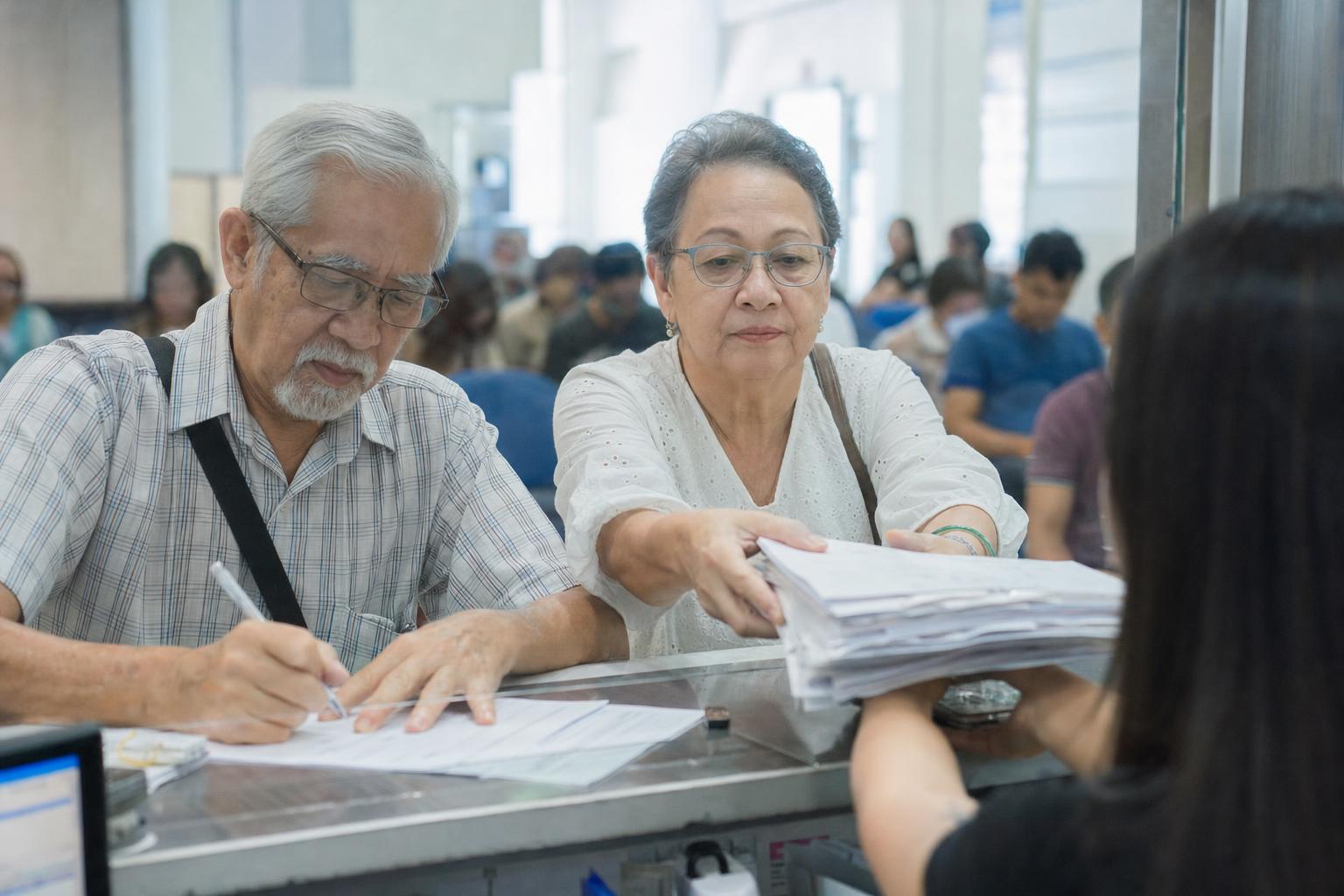
A retired US couple applied separately for Spain's non-lucrative visa at a private visa centre in May 2026, on back-to-back prime-time appointments; the agent took them together. They brought 12 months of printed bank statements and their pension records as the financial evidence. A booking fee had been paid online to secure the appointments. Each status rested on what the centre accepted and passed on.
The assumption
They treated the online reservation as scheduling. By their own account, they had not realised at the time of booking that completing the reservation was completing the visa application itself. On that reading, the forms could be refined between booking and appointment, and an updated form from the centre's website would simply take the place of the earlier entries.
What the rule actually did
Because the reservation was the application, any later printed form, including an updated version downloaded from the centre's website, could draw questions wherever it differed from what had been entered online; names, marital status and arrival dates had to be consistent from before the reserve button was pressed. They spent part of the appointment re-filling forms while handing over other documents. The agent asked for an employment termination letter with a separation date, which they did not have, because their pension papers showed when the pension began but not when they left employment. None of their banks could produce exactly what the centre required, translated; the agent kept three recent months of statements, an end-of-year statement and a translated account validation letter, and required the insurance certificate itself to show the year of cover.
The exposure
The booking fee was the money tied to that first filing. Replies explained that it was credited towards the appointment costs, that cancelling an appointment to restart cleanly could forfeit it, and that the centre took debit cards, not credit cards. The separation letter remained an open gap on the day. On timing, the couple were first told about three to four months, then that some files had been approved in three to four weeks; the thread does not say how their applications ended.
The check that would have surfaced it
The terms on cancellation were set out in the PDF emailed with the booking confirmation, which a reply pointed to as the place to read them. Consistency between the online entries and every printed form was fixed at the moment of reservation, before any document was handed over. The online record was the one the centre held the paper file against, and the consulate decided on what the centre passed on.
The Immimaps country guide for Spain sets out the published rules for this visa and the fees firms have on file: immimaps.com/countries/spain
Which record has your counterparty already received, and does every later document match it?
This is one account shared publicly and anonymised, not legal or financial advice; handling varies between consulates and offices.