The position
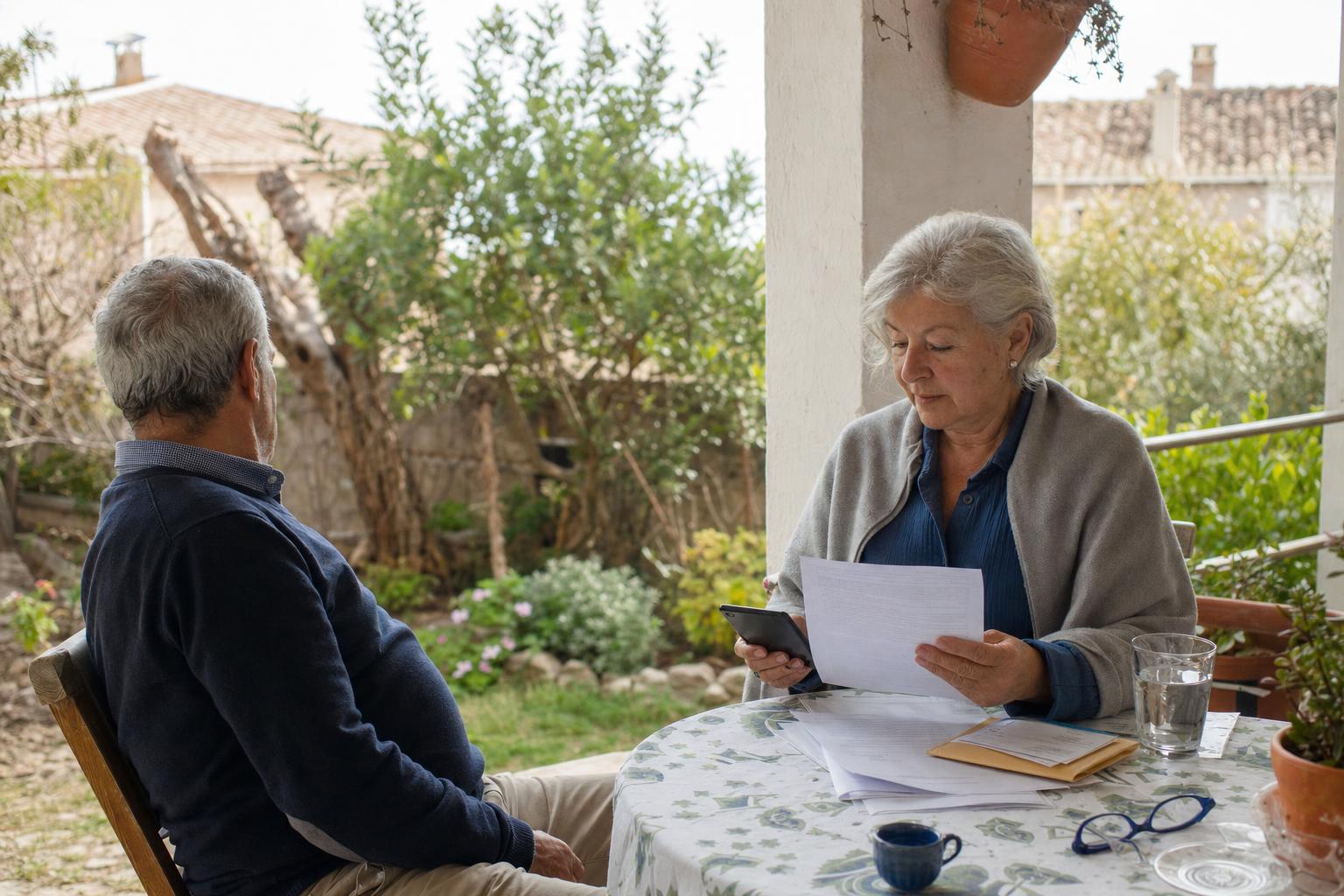
A US couple were preparing an application for Spain's non-lucrative visa, funded by a public-sector pension for one of them and by savings and traditional IRA distributions, withdrawals from a US retirement account, for the other. They lived in one state but had married in another, where most of their financial records also originated. A small dog needed its own travel paperwork. They described the process as overwhelming and asked whether it was manageable at all.
The assumption
The list they set out was apostilles and translations across two states, a combined financial verification for two people, pet documents and tight timelines. The question framed paid help as the way to move that list off their hands. One member had taken that view, paying for help in the US with the application and a relocation specialist once in Spain, and reported that it removed almost all the stress.
What the rule actually did
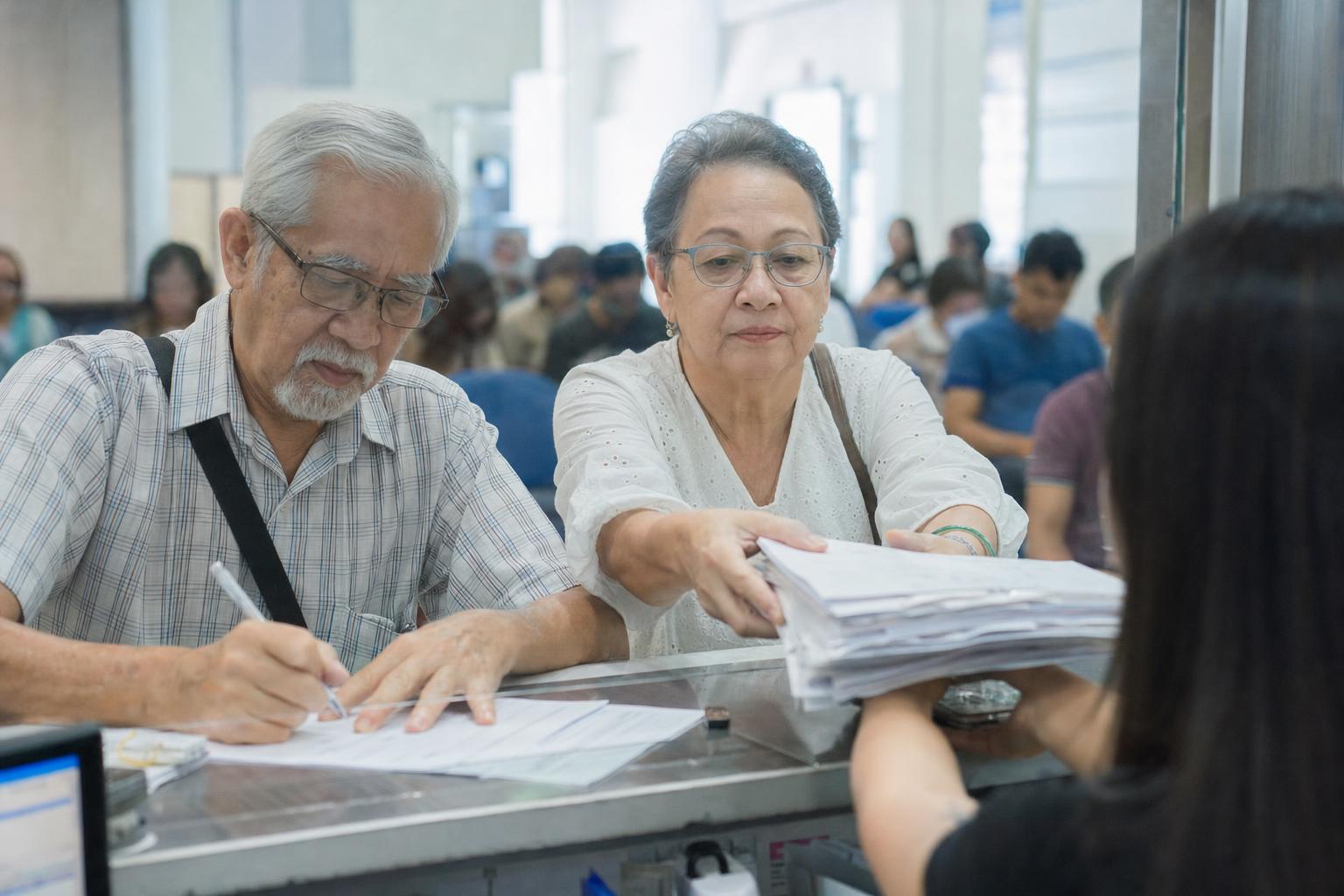
Members who had applied alone said that hiring someone left the applicant responsible for gathering every document on time, from the marriage certificate to bank statements and fingerprints; one had a complete file ready in about two months. The couple accepted the point: with or without paid help, the paperwork stayed with them, and it was the part that took longest. What paid help did change, in this account, was interpretation: which version of a document a consulate accepts, how pension and IRA income are evidenced together, and whether a file is complete before it is filed.
The exposure
Paid help did not remove refusal. One couple who used an attorney went through a refusal, an appeal and a change of attorney before approval, seven months from start to finish. A second cost line sat outside the visa altogether: a member who used help at both ends put the Spanish-side relocation service, covering town-hall registration, the residence card and an apartment search, at $1,000 to $2,000, varying with circumstances. The thread does not say what the couple chose.
The check that would have surfaced it
The split the couple reached was the one the replies made visible: which parts of the file a paid adviser carries and which come back to the applicant regardless. Their last question was whether to hire in the state where they lived or the state their records came from, and one member's answer was that the relevant firm was found in Spain. The counterparty for the status was the consulate, and the adviser's work sat between the applicant's documents and that counterparty's reading of them.
The Immimaps country guide for Spain sets out the published rules for this visa and the fees firms have on file: immimaps.com/countries/spain
If you pay for help, which parts of the file remain your liability when the counterparty reads it?
This is one account shared publicly and anonymised, not legal or financial advice; handling varies between consulates and offices.