The position
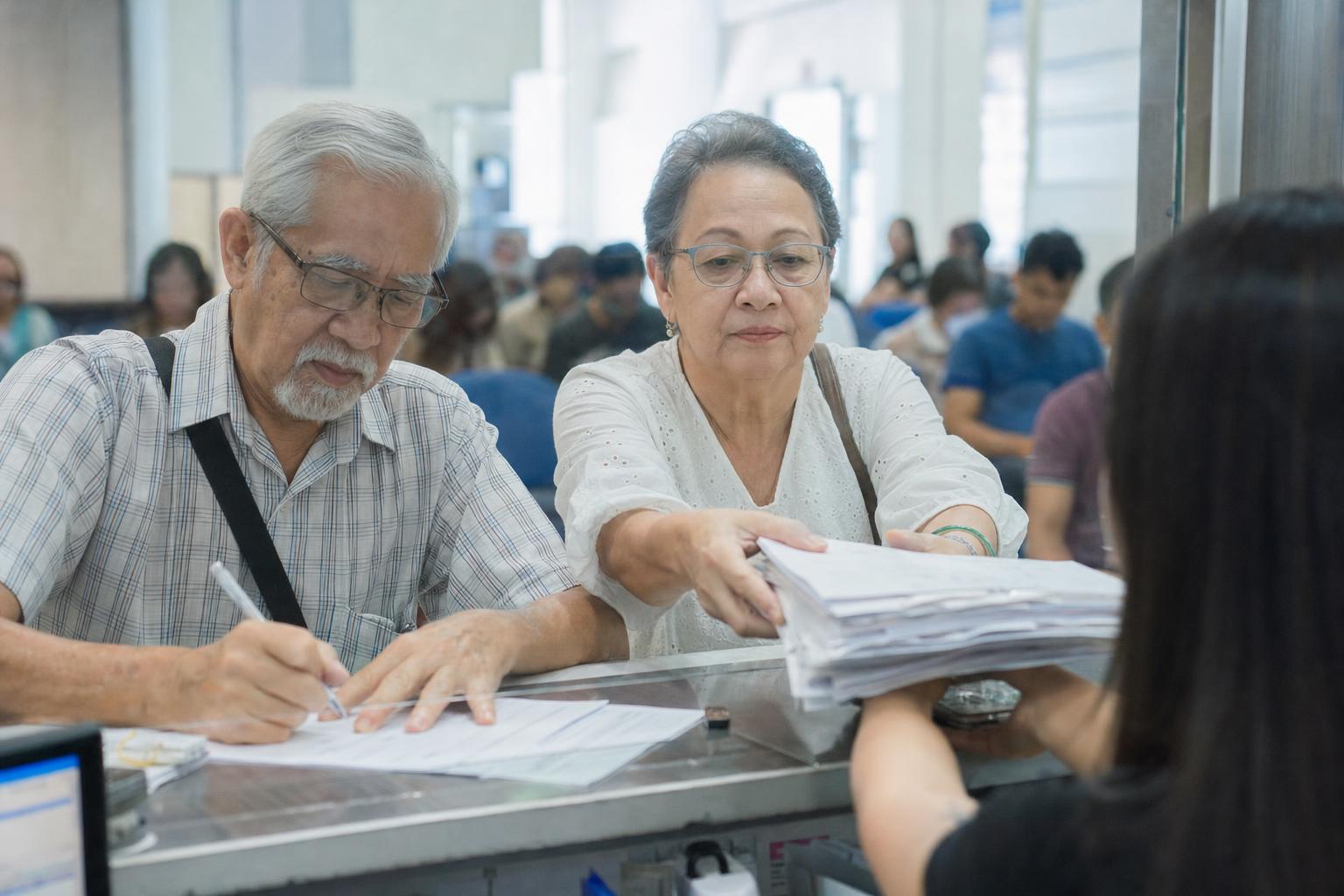
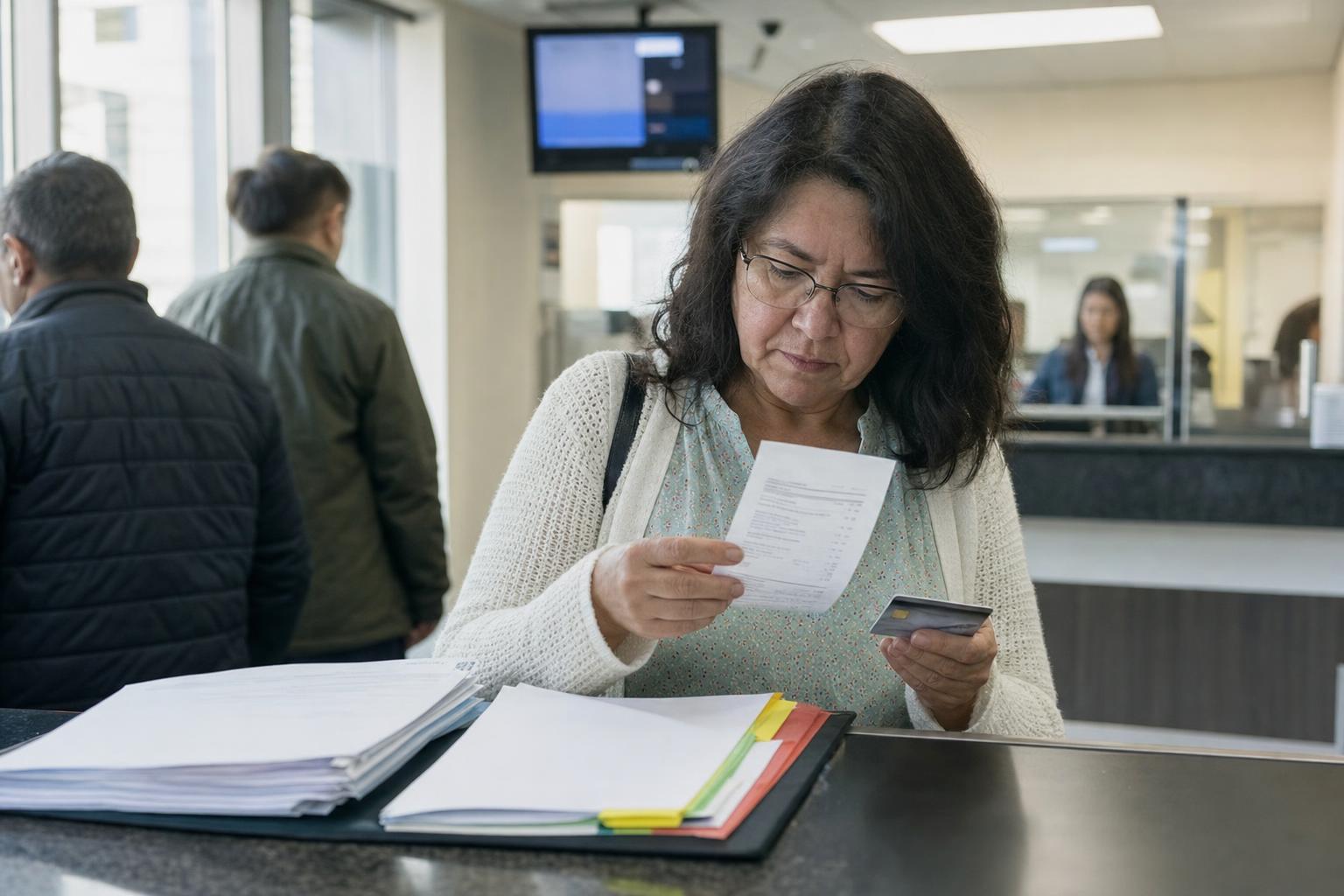
In July 2026 the applicant attended a morning appointment at a private application centre that collects non-lucrative visa files in the United States and passes them to the Spanish consulate. Her forms were completed and signed, and her documents sat in a folder with page dividers. Her husband came with her but held no appointment of his own, so he was not admitted to the counter. What was being committed on the day was the application itself and the fees attached to filing it.
The assumption
She went in expecting to pay the visa fee and to have her file examined. Neither expectation held. The clerk took the whole stack at once and, by the applicant's own account, checked only that each item on the generic list was present, without reading the detail.
What the rule actually did
The centre charged her debit card first and disclosed what the charge included afterwards. The list ran to seven lines: the $140 visa fee, $13 for pre-authorisation of residence, $15 for form filling, $5 for a copy service that produced the receipt, $5 for SMS, $3 for an STA notification, and $45 for flexible passport pickup, which she chose so as not to cross the city at rush hour. Only the first two were government fees; the other five were the centre's own service charges. A reply in the same thread set out the second half of the arrangement: the centre only collects the documents and forwards them, and the consulate carries out the actual review and asks for more if it needs it.
The exposure
Of the $226, $153 went to the state and $73 to the intermediary, $45 of that by choice. The money was the smaller exposure. A counter that checks only for presence carries no information about whether the file will pass, so any defect inside the documents stayed live until the consulate reached it; on the way out she met another applicant who had been told to come back with more documents. She was still waiting for a decision when she wrote.
The check that would have surfaced it
A second applicant at the same office reported the same sequence: when she asked what she was paying for, she was told the receipt would come at the end. In both accounts the itemisation arrived only after the card had been charged, so the split between government fees and centre charges could not be read at the point of payment. That second applicant declined both flexible pickup and premium time, which places the optional lines, at least, within the applicant's control at the counter.
The Immimaps country guide for Spain sets out the published rules for this visa and the fees firms have on file: immimaps.com/countries/spain
Of the fees attached to your own filing, which are set by the state and which by the party standing at the counter?
This is one account shared publicly and anonymised, not legal or financial advice; handling varies between consulates and offices.