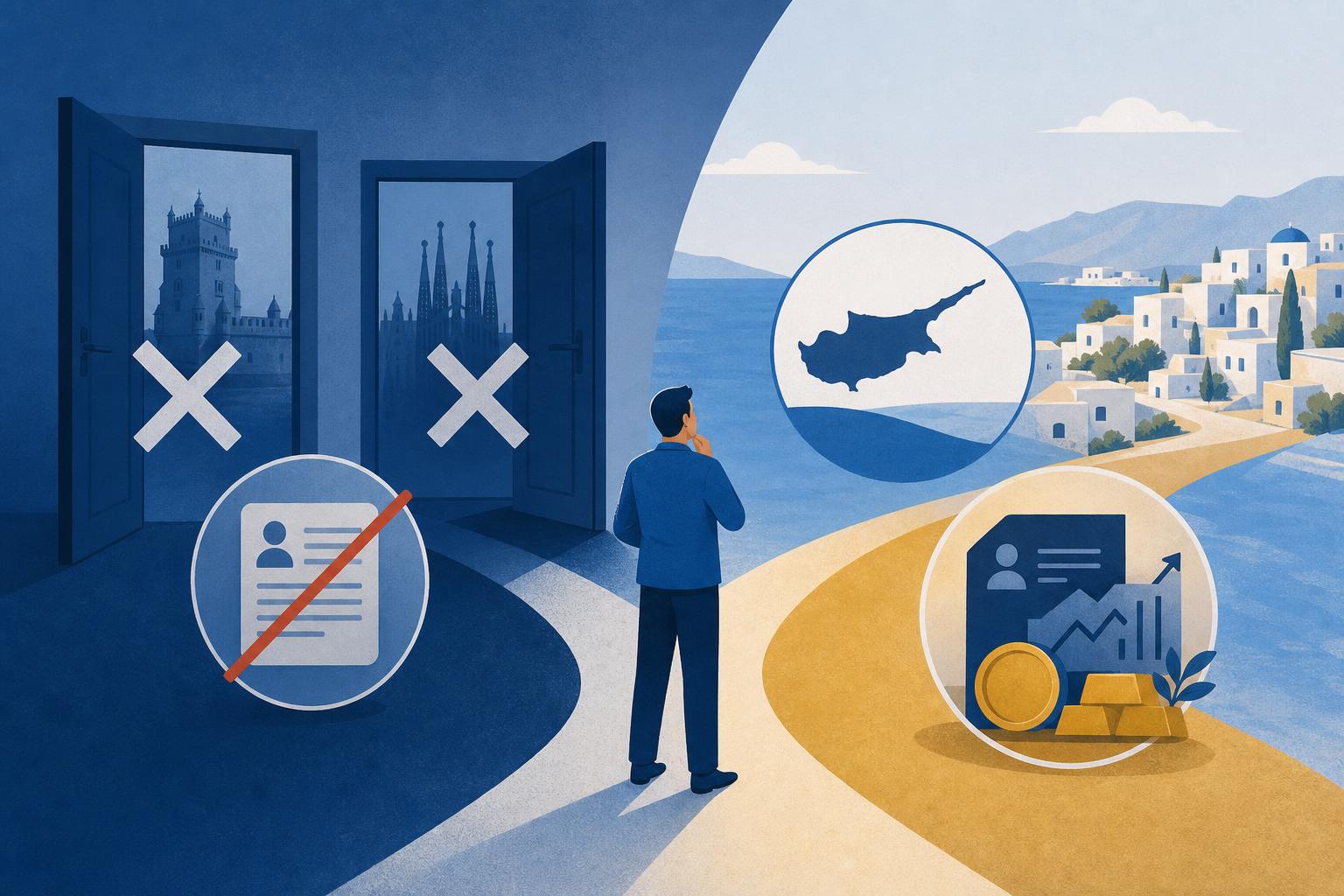
Malta's residency-by-investment route is often described as the last "only path" option in Europe now that several bigger golden visa programs have closed or tightened. That reputation alone does not make it worth it for you — it depends on what you actually need from residency, how much paperwork risk you can absorb, and whether the program's current rules still match what you were told a year or two ago. **The program still exists, but "still open" is not the same as "still a good fit."
What makes Malta different from the programs that shut down
Several EU countries closed their investor residency or citizenship-linked routes after political and financial pressure. Malta has kept a residency program running, which is why it now gets described as one of the few remaining options for people who want an EU foothold through investment rather than work or study. That scarcity is real. But scarcity is a market fact, not a personal recommendation — a program can be the only one left and still be a poor match for your specific goals, timeline, or budget.
Before treating "only route" as a reason to apply, it helps to separate two questions: is this program still accepting applicants, and is this program still structured the way you think it is. Fee levels, minimum investment amounts, and holding periods on these programs shift over time, sometimes with little public notice. If a figure you were quoted came from a blog post, a forum, or an agent's pitch deck rather than the current official source, treat it as unverified until you confirm it. Confirm the current minimum contribution and fee schedule directly against Identity Malta's official published rates before treating any figure as final.
Worth it for what, exactly
"Worth it" only means something once you attach it to a goal. Common reasons people look at Malta residency include EU travel access, a stepping stone toward citizenship, a base for relocating a family, or a fallback plan they hope never to use. Each of these has a different tolerance for cost, delay, and paperwork friction.
- If your goal is fast EU travel access only, a residency route with a long processing timeline may not deliver what you expect on the schedule you expect.
- If your goal is an eventual path to citizenship, check whether the residency track you are considering actually counts toward that, or whether it is a separate legal track entirely.
- If your goal is a family relocation base, look closely at what maintaining the residency status requires year to year, not just what getting it requires upfront.
- If your goal is a fallback plan, weigh the ongoing cost of holding the status against how likely you are to ever use it.
Where applicants get tripped up
Smaller programs with thinner applicant pools tend to get less public scrutiny than the big, well-known ones. That can cut both ways. Fewer applicants means fewer public accounts of what actually goes wrong, which can make a program look smoother than it is. It also means fewer independent write-ups checking whether the paperwork requirements you were told about are current.
Paraphrased account: One applicant to a European residency-by-investment program said they had been told a supporting document was a formality, something reviewers would barely glance at. It turned out the version they submitted did not meet the current format the reviewing authority actually required, and the gap only surfaced after submission, when it was harder and slower to fix. — an applicant to a European residency-by-investment program.
That kind of mismatch, being told something is routine when it is not, or working from a document standard that has since changed, is one of the more common ways applications stall on smaller programs. It is not usually fraud or bad faith. It is often just an outdated checklist, a document translated the wrong way, or a source-of-funds explanation that does not match what the current reviewer expects to see.
How to check before you commit
You do not need to guess whether your documents meet the current standard. A quick, independent check of your paperwork against what programs like this are actually asking for right now can surface a mismatch before it costs you time or a resubmission. This is not a substitute for professional legal advice on your specific case, but it can tell you whether something in your file looks out of date or incomplete before you send it anywhere.
If you are weighing whether to move forward on a smaller, less-documented program like this one, it is worth running your specific paperwork through a check rather than relying only on secondhand summaries of what the rules are today.
You can run the free document check to see how your current documents line up before you decide whether this route is worth pursuing.
News and our thoughts — not legal advice or consultation.